Hotel Gellért
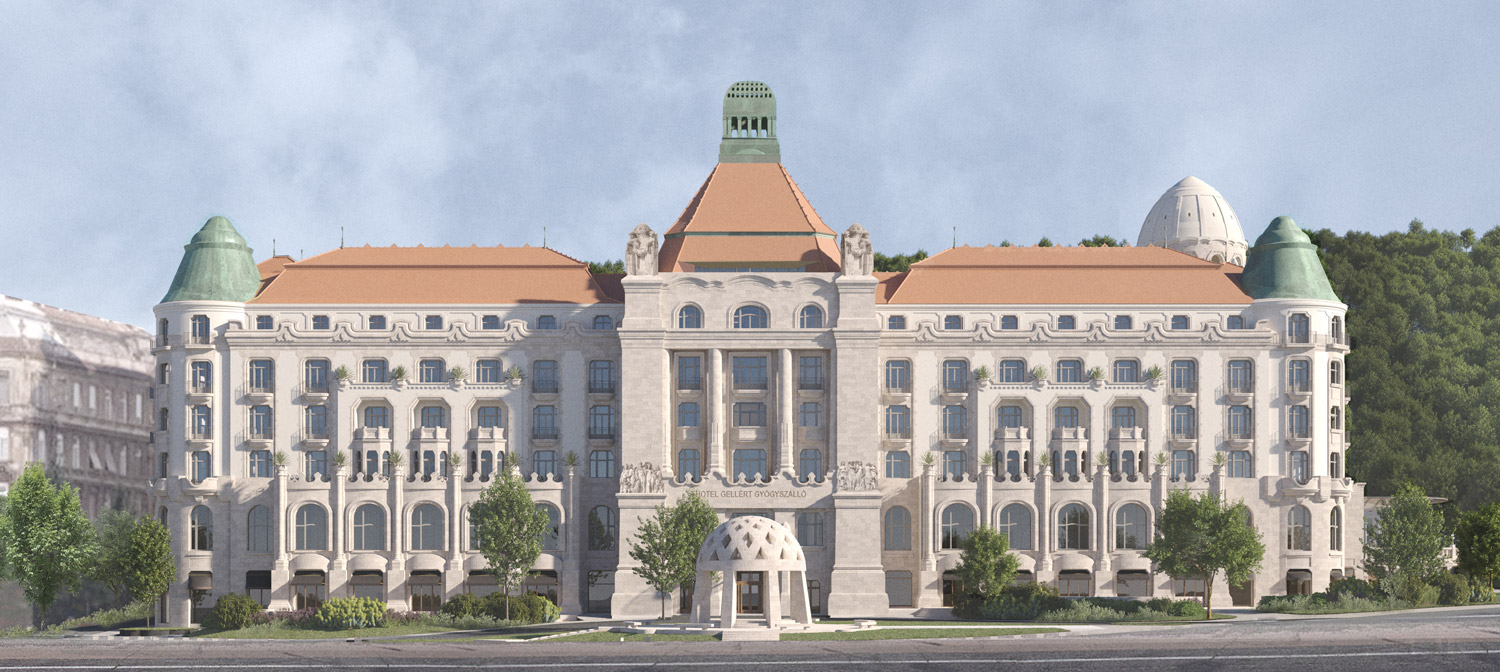
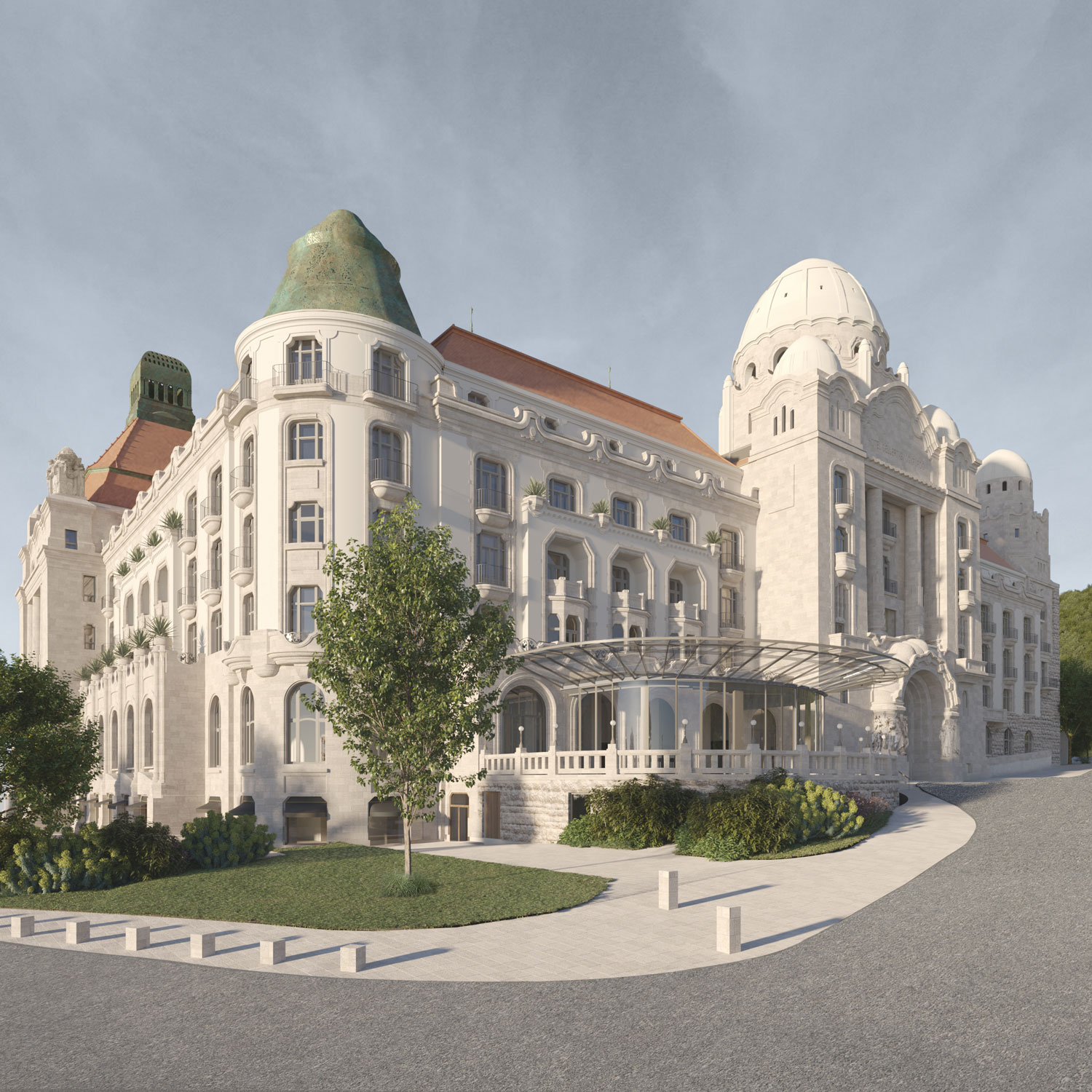
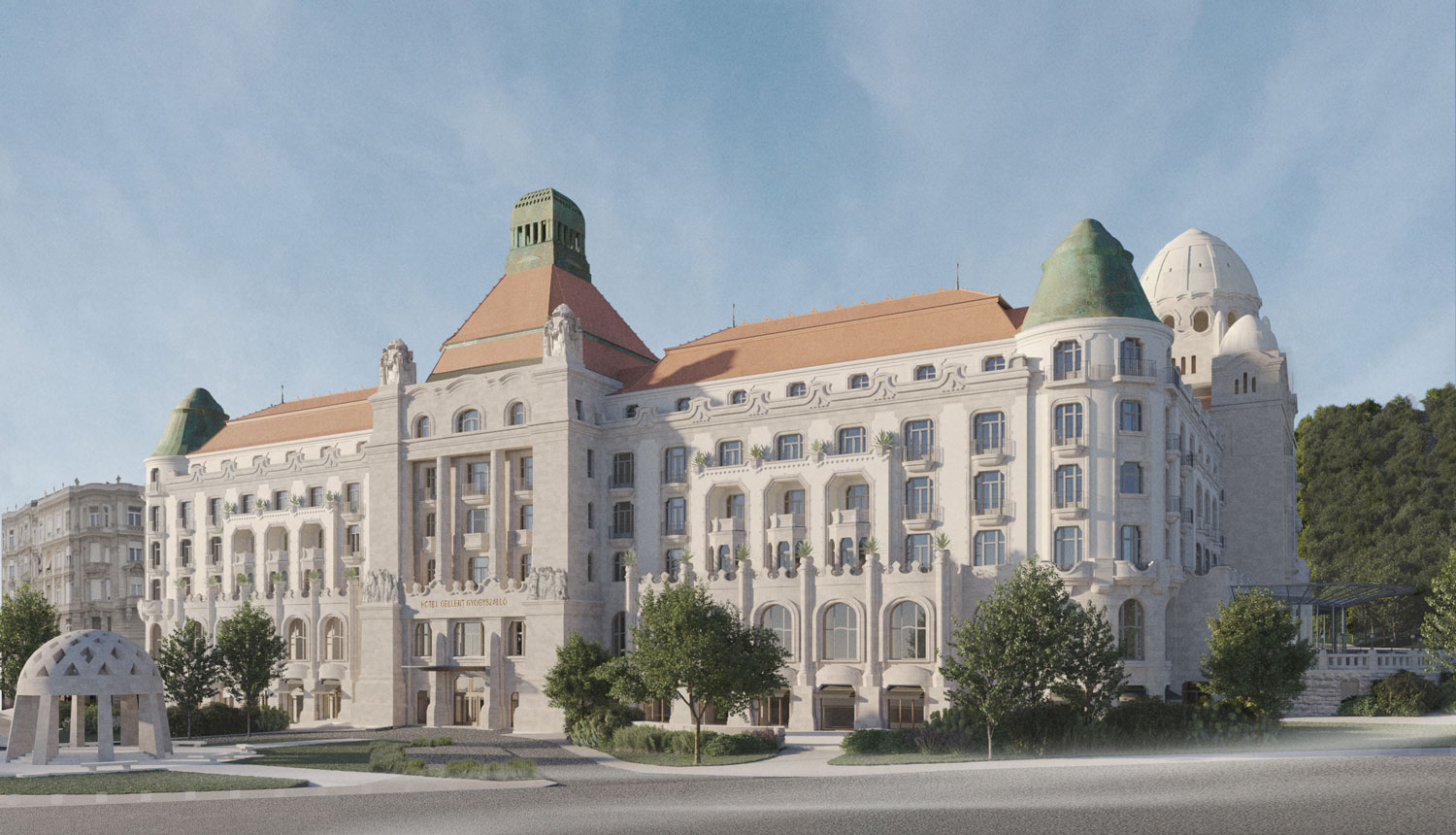
Hungary’s best-known hotel, Gellért Szálló, will return to the Hungarian accommodation market with a completely renewed interior and new, quality services. The protected building of the hotel, which was opened more than 100 years ago but has been closed for a year now, is being developed into a modern, five-star hotel by preserving its historical values and based on its unique properties by BDPST Zrt.
Period of construction: 1911-1918
134 Rooms
Under renovation
One of Hungary’s most renowned hotels, the Gellért Hotel, is making its return to the Hungarian hospitality market with a fully renovated interior and new, high-quality services. Following its restoration, the more than 100-year-old building will reopen under the management of the internationally acclaimed Mandarin Oriental Group.
Built in a historicist style enriched with Art Nouveau elements, the construction of the Saint Gellért Hotel and Thermal Bath began in 1911, and it officially opened its doors in September 1918, becoming an iconic venue of the interwar period. During these years, the number of hotel rooms and the range of spa services continuously expanded. The building was designed by Ármin Hegedűs, Artúr Sebestyén, and Izidor Sterk, while the gastronomic excellence of its “golden age” in the 1920s and 1930s was guaranteed by renowned restaurateur Károly Gundel.
World War II inflicted severe damage on the hotel, with a significant portion of it burning down. After its restoration and reopening, the hotel remained at the forefront of Hungarian tourism. The Gellért was popular not only among Hungarian elites but also internationally. A unique feature was that Aeroexpress seaplanes landed directly in front of the hotel on the Danube, allowing guests to visit even just for a lunch if they wished.
According to preliminary plans, the renovated hotel will feature 134 guest rooms, including 34 suites. Three prominent interior spaces—the Lobby, the Danube Room, and the Gobelin Room—will be meticulously restored to their original splendor based on museum archival photos and blueprints. The Hungarian architecture firm Archikon, recognized internationally, and the London-based Alexander Waterworth Interiors studio are overseeing the transformation. Beyond the complete restoration of the building, the project aims to integrate new functions that will enhance the range and quality of services, reviving the hotel’s “golden age.”